
Data Governance: Guidelines for Secure, Accurate and Compliant Data Management
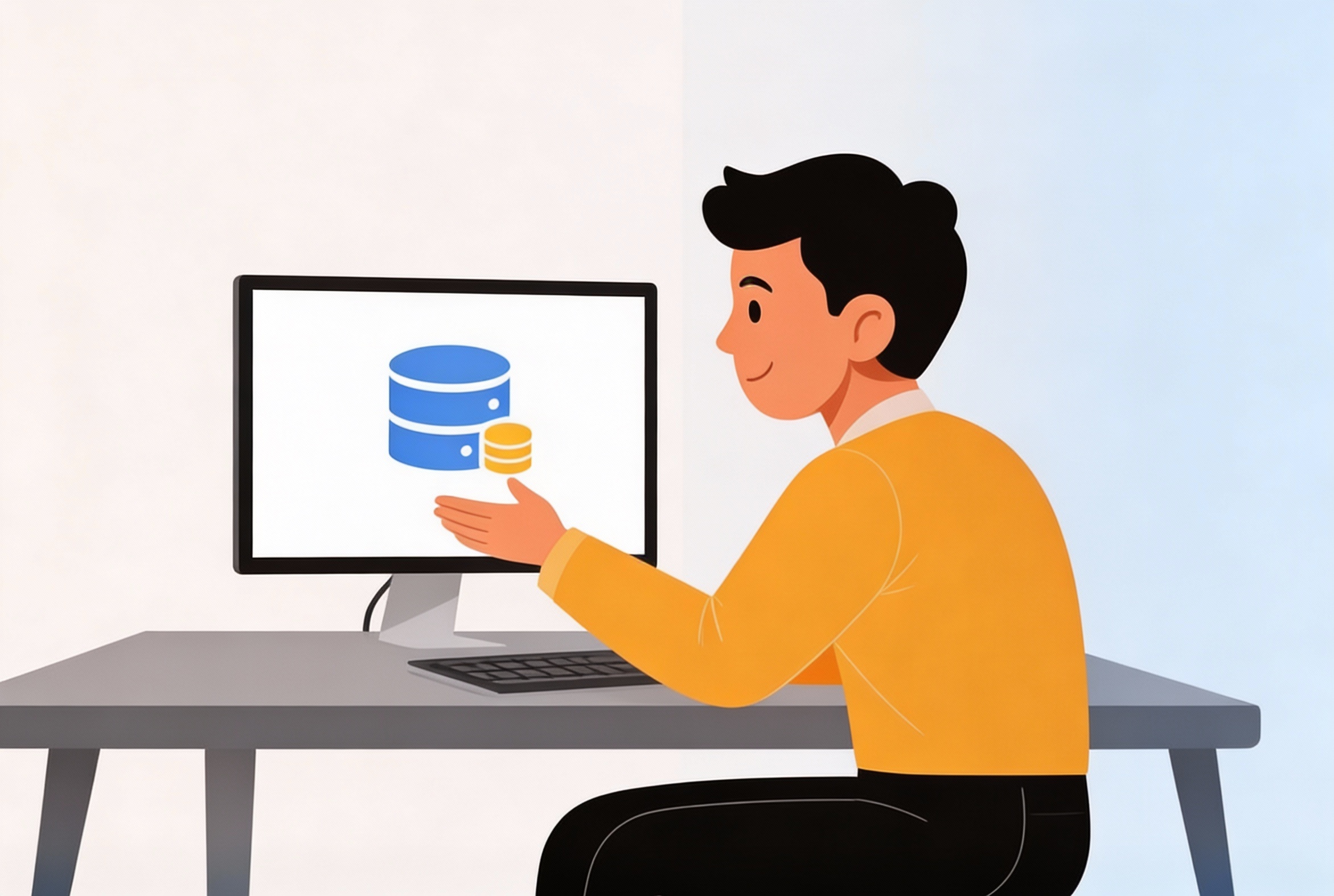
Data is created every minute.
Emails, documents, cloud platforms, applications, backups, reports — data flows through every part of your organization.
At first, it feels manageable.
Until it isn’t.
A file is shared with the wrong person.
A customer asks what personal data you store about them.
An auditor requests insight into your data handling processes.
Or a security incident exposes information no one realized was still accessible.
That’s often the moment organizations discover a hard truth:
they have plenty of data — but very little control over it.
This is where data governance becomes essential.
In this article, you’ll learn what data governance really is, why it’s critical for modern businesses, and how to create structure, security and compliance without slowing your organization down — with the support of IT bugsolutions.
What Is Data Governance?
Data governance is the framework of policies, processes and technical controls that define how data is stored, managed, secured and used within an organization. Its purpose is to ensure data remains accurate, secure, accessible and compliant throughout its entire lifecycle.
Why Data Governance Matters More Than Ever
Organizations generate more data today than ever before.
But more data also means:
-
higher risk
-
greater responsibility
-
stricter compliance requirements
Without clear governance, businesses face:
-
duplicated or inaccurate data
-
uncontrolled access
-
security gaps
-
audit challenges
-
increased exposure to data breaches
Data governance brings clarity, accountability and trust to how data is handled.
The Core Pillars of Strong Data Governance
Effective data governance is built on a few essential principles.
1. Data Quality and Accuracy
Business decisions rely on reliable data.
Without governance, organizations often deal with:
-
outdated information
-
conflicting data sources
-
missing or incomplete records
Data governance defines:
-
who can modify data
-
how data is validated
-
which data source is considered authoritative
2. Clear Ownership and Accountability
Who is responsible for which data?
Without defined roles, it becomes unclear:
-
who fixes data errors
-
who grants access
-
who ensures compliance
Data governance establishes ownership through defined roles such as data owners and data stewards.
3. Security and Access Control
Not everyone should access everything.
A strong governance model enforces:
-
role-based access
-
least-privilege principles
-
logging and monitoring
This significantly reduces both internal mistakes and external threats.
4. Compliance With Regulations
European regulations like GDPR require organizations to:
-
know what data they collect
-
understand why it is collected
-
control how long it is stored
-
protect it with appropriate safeguards
Data governance ensures compliance is built into daily operations — not treated as an afterthought.
5. Data Lifecycle Management
Not all data needs to live forever.
Data governance defines:
-
how data is created
-
how long it remains active
-
when it is archived
-
when it is securely deleted
This reduces risk, storage costs and legal exposure.
What Happens Without Data Governance?
Organizations without clear governance often experience:
-
unexpected data breaches
-
incomplete audit responses
-
slow decision-making
-
conflicting data ownership
-
inefficient IT processes
Initially, these issues may seem manageable — but over time, they become systemic risks.
Data Governance Is an Enabler, Not an Obstacle
A common misconception is that data governance slows organizations down.
In reality, it does the opposite.
With clear rules and structure:
-
employees find information faster
-
systems work more consistently
-
errors decrease
-
confidence in data increases
Good governance makes organizations more agile, not less.
How IT bugsolutions Helps You Control Your Data
IT bugsolutions supports organizations of all sizes — from small teams to professional enterprises — in building practical, effective data governance frameworks.
Our approach includes:
• Data Landscape Assessment
We identify where data resides, how it is used and where risks exist.
• Governance Policies Tailored to Your Business
Clear, practical guidelines aligned with your workflows — not theoretical models.
• Technical Security & Access Management
Role-based access, encryption, monitoring and audit logging.
• Compliance Support
Ensuring alignment with GDPR and other regulatory requirements.
• Continuous Monitoring and Optimization
Data governance evolves with your business and your data.
With IT bugsolutions, you gain full control over your data — without unnecessary complexity.
Conclusion
Data is one of your organization’s most valuable assets.
But without structure, it quickly becomes a liability.
Data governance provides:
-
accurate and reliable data
-
clear responsibilities
-
stronger security
-
regulatory compliance
-
long-term control and clarity
Whether you run a small team, manage a growing business or operate within a professional organization, effective data governance is no longer optional.
Want secure, compliant and well-managed data? IT bugsolutions helps you build governance that works — today and in the future.
FAQ
Is data governance only for large organizations?
No. Organizations of all sizes benefit from structured data management and clear governance.
Is data governance the same as data security?
No. Security is one component of data governance, but governance also includes quality, ownership and lifecycle management.
Does data governance have to be complex?
Not at all. With the right approach, it can be practical and easy to maintain.
Does data governance help with audits and compliance?
Yes. It provides clear documentation and control over how data is managed and protected.
Can IT bugsolutions help implement data governance?
Absolutely. We guide the entire process — from assessment and policy creation to technical implementation and ongoing optimization.
Published by IT bugsolutions on: Dec 19, 2025
IT issue? We fix it quickly.
Describe your IT problem and our specialists will get back to you with a clear, practical solution.
CONTACT USRecent posts
- Webshop Crashing? Every Minute Costs You Revenue
- Checkout Problems in Your Webshop? Here’s How to Prevent Revenue Loss
- My App Is Crashing — What Must I Do Immediately?
- 500 Server Error on Your Website? Causes, Risks and Solutions
- Is Your Website Down? What You Must Do Immediately
- Website Hacked? Causes, Risks and What You Must Do Immediately