
Why Phishing Is Still the #1 Threat to Businesses
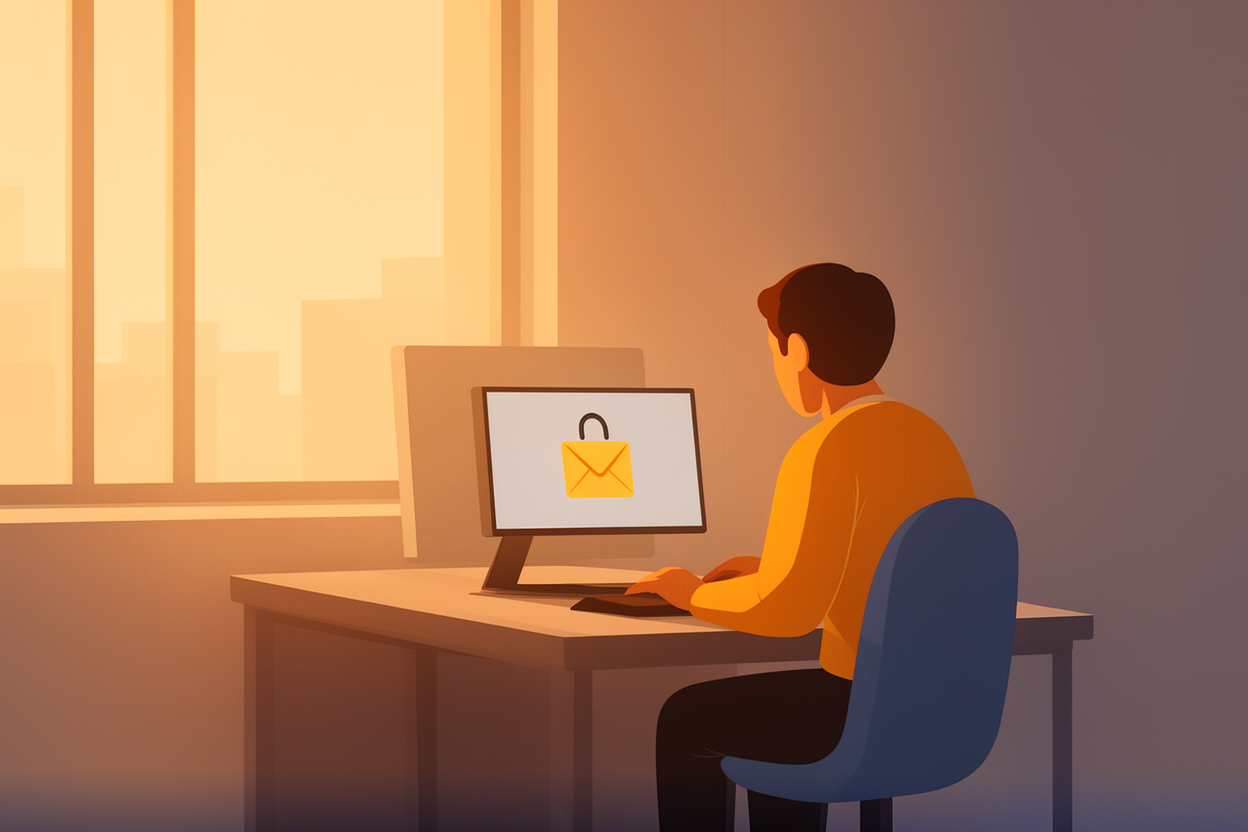
It starts with a simple email.
A message that looks perfectly normal — from your bank, your software provider or even a colleague.
“Your account will be disabled today.”
“Your password needs urgent verification.”
You click the link…
And within seconds, your entire organization is exposed.
What looked like a harmless message turns into a crisis.
Files are encrypted, systems freeze, operations stop, customers walk away.
By the time you realize what’s happening, the damage is already done.
Phishing attacks aren’t new.
But one thing hasn’t changed: they work.
Cybercriminals don’t target only large corporations — they target opportunities.
Human habits. Busy moments. The slightest moment of distraction.
In this article, you’ll discover why phishing is still the number-one cyber threat, how attackers operate and what your business can do to stay safe.
What Is Phishing?
Phishing is a form of digital fraud in which attackers impersonate trusted organizations — banks, suppliers, platforms or colleagues — to trick you into giving them access to:
-
login credentials
-
financial data or payments
-
sensitive information
-
systems via malware or ransomware
And it’s no longer limited to email.
Attackers now use SMS (“smishing”), phone calls (“vishing”) and even social media.
Why Is Phishing So Dangerous for Businesses?
1. Anyone Can Fall for It
Even experienced employees click when messages look urgent or legitimate.
2. Low Effort, High Reward
Cybercriminals send millions of emails — only a tiny percentage needs to succeed.
3. The Damage Can Be Severe
A compromised account can expose data, shut down systems and cause legal issues.
4. Attackers Get Smarter Every Year
Modern phishing emails are polished, personalized and nearly indistinguishable from real messages.
How to Recognize a Phishing Attempt
Watch out for these red flags:
-
Urgent warnings (“Your account closes TODAY”)
-
Suspicious attachments or shortened links
-
Incorrect or unusual email addresses
-
Requests for sensitive data (banks never ask for passwords by email)
-
Poor grammar or unusual formatting — though advanced phishing looks perfect
How to Protect Your Business From Phishing
✔ Employee Awareness & Training
Your people are both your biggest risk and your strongest defense.
✔ Multi-Factor Authentication (MFA)
Even stolen passwords become useless with proper MFA.
✔ Strong Email & Spam Filtering
Modern filters stop most phishing emails before they reach anyone’s inbox.
✔ Clear Internal Procedures
No payment or supplier change should ever happen without verification.
✔ Proactive IT Security From IT bugsolutions
With 24/7 monitoring, threat detection and security hardening, attacks are identified before they escalate.
How IT bugsolutions Protects Your Organization
• Employee Training & Awareness
Practical simulations and training tailored to your business.
• Implementation of MFA & Security Tools
Modern authentication and endpoint protection.
• Real-Time Phishing & Spam Filtering
Malicious emails are blocked before they cause harm.
• 24/7 Monitoring & Immediate Response
Early detection means fast reaction — long before damage occurs.
With IT bugsolutions, your organization gains stability, protection and complete peace of mind.
Conclusion
Phishing isn’t just “another cyber risk” — it’s the most common and most successful attack method worldwide.
Why?
Because it targets people, not systems.
And even one rushed click can open the door to serious damage.
The good news:
You can protect your business — with the right tools, training and proactive IT security.
Want to keep phishing out of your organization? IT bugsolutions is ready to safeguard your business today and tomorrow.
FAQ
Are small businesses also targeted by phishing?
Absolutely. Attackers target organizations of all sizes — especially those with limited security.
Does MFA really help?
Yes. Multi-factor authentication blocks the majority of unauthorized access attempts.
Can free antivirus software stop phishing?
No. It often lacks behavioral analysis, email filtering and advanced detection.
How often should employees be trained?
At least quarterly — or after any security incident.
Does IT bugsolutions offer phishing protection services?
Yes. From training to filters to 24/7 monitoring, we cover every layer of protection.
Published by IT bugsolutions on: Sep 24, 2025
IT issue? We fix it quickly.
Describe your IT problem and our specialists will get back to you with a clear, practical solution.
CONTACT USRecent posts
- Webshop Crashing? Every Minute Costs You Revenue
- Checkout Problems in Your Webshop? Here’s How to Prevent Revenue Loss
- My App Is Crashing — What Must I Do Immediately?
- 500 Server Error on Your Website? Causes, Risks and Solutions
- Is Your Website Down? What You Must Do Immediately
- Website Hacked? Causes, Risks and What You Must Do Immediately